Unlock the Benefits of Core Aeration

If you want a lush, healthy lawn that stands out in your neighborhood, you’ve probably heard about aeration. But what exactly is it, and why should you care? I’ve been through the process myself, and I’m here to share what I’ve learned about how core aeration can transform your yard. It’s not just a fancy landscaping term—it’s a game changer for your grass.
Why Aeration Matters: The Benefits of Aeration Explained
Aeration is all about helping your lawn breathe. Over time, soil gets compacted. This means the dirt is packed so tightly that roots struggle to grow, water can’t soak in properly, and nutrients don’t reach the grass where they’re needed most. Aeration fixes this by poking small holes in the soil, allowing air, water, and nutrients to penetrate deeper.
Here’s what you get when you aerate your lawn:
Improved soil structure: The holes reduce compaction and create space for roots to expand.
Better water absorption: Instead of running off, water seeps into the soil, reducing puddles and dry spots.
Enhanced nutrient uptake: Fertilizers and natural nutrients reach the roots more effectively.
Stronger roots: With more room and resources, roots grow deeper and more resilient.
Reduced thatch buildup: Aeration helps break down thatch, the layer of dead grass and roots that can suffocate your lawn.
These benefits combine to give you a greener, thicker lawn that can better withstand drought, heat, and foot traffic. It’s like giving your grass a breath of fresh air.

How Core Aeration Benefits Your Lawn Specifically
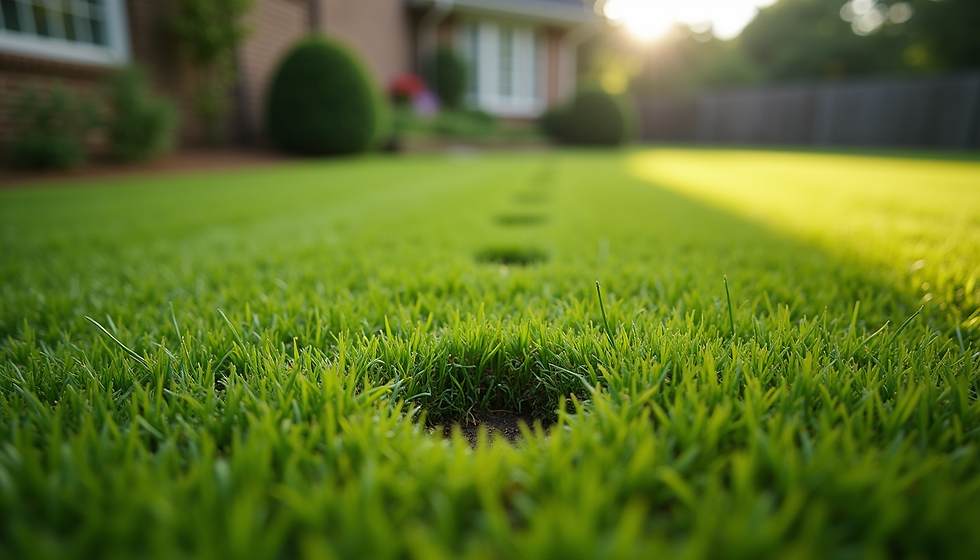
Core aeration is a specific type of aeration where small plugs of soil are removed from your lawn. This is different from spike aeration, which just pokes holes without removing soil. Removing plugs is more effective because it relieves compaction more thoroughly and allows the soil to loosen naturally.
I found that core aeration benefits my lawn by:
Allowing roots to access oxygen: Roots need oxygen to grow, and compacted soil limits this.
Encouraging microbial activity: Healthy microbes break down organic matter and improve soil health.
Helping overseeding: If you want to add new grass seed, aeration creates perfect spots for seeds to settle and grow.
Reducing water runoff: Water stays in the soil longer, which means less watering needed.
If you want to dive deeper into the science and practical advantages, check out this detailed core aeration benefits resource.

How Long Does It Take to See Results from Core Aeration?
One of the best things about core aeration is that you don’t have to wait forever to see improvements. Usually, you’ll notice changes within a few weeks, but the full benefits develop over a few months.
Here’s what to expect:
Within 1-2 weeks: You might see the lawn looking a bit rough because of the plugs left on the surface. Don’t worry, they break down quickly.
3-4 weeks: Grass starts to fill in the holes, and you’ll notice greener, healthier patches.
1-3 months: Root systems strengthen, and the lawn becomes more resilient to stress.
Long term: With regular aeration (once a year or as needed), your lawn stays thick, green, and less prone to weeds and disease.
Timing matters too. The best time to aerate in Charlotte, NC, is during the growing seasons—early spring or fall—when grass can recover quickly.

Practical Tips for Getting the Most Out of Aeration
Aeration is a simple process, but a few tips can help you maximize its benefits:
Mow your lawn first: Cut your grass shorter than usual to make aeration easier.
Water the lawn a day before: Moist soil is easier to aerate than dry, hard ground.
Remove debris: Clear leaves, sticks, and rocks to avoid damaging the aerator.
Aerate when the soil is soft: Avoid aerating during drought or frozen ground.
Follow up with overseeding and fertilizing: After aeration, spread grass seed and fertilizer to boost growth.
Keep watering regularly: Help new roots establish by watering deeply but less frequently.
If you’re not up for DIY, hiring a professional service like Green Yard Aeration in Charlotte can save you time and ensure the job is done right.
Why Aeration is a Smart Investment for Your Lawn
Taking care of your lawn is more than just aesthetics. A healthy lawn adds value to your home, creates a safe play area for kids and pets, and helps reduce soil erosion. Aeration is a cost-effective way to maintain your lawn’s health without expensive treatments.
Think of it this way: skipping aeration can lead to patchy grass, more weeds, and increased watering needs. Aeration helps prevent these problems before they start.
If you want your lawn to look its best year-round, aeration is a must. It’s a simple step that pays off with a vibrant, durable lawn that you can be proud of.
If you’re ready to give your lawn the care it deserves, consider scheduling core aeration this season. Your grass will thank you with a greener, healthier look that lasts.
For more details on how aeration can help your lawn thrive, visit core aeration benefits.
Happy gardening!


Comments